Service Area
Well Pump Repair & Service in East Wenatchee, WA
From the bench above the Columbia to acreage out toward Badger Mountain, we keep East Wenatchee wells pumping. No water? Call (509) 300-5151, day or night.
From the bench above the Columbia to acreage out toward Badger Mountain, we keep East Wenatchee wells pumping. No water? Call (509) 300-5151, day or night.
If your well quit in East Wenatchee, you're in the right place. We repair and replace well pumps and pressure tanks across the Douglas County side of the river, from neighborhoods up on the bench to rural acreage past Pangborn and out toward Badger Mountain. A lot of homes here sit on old orchard ground that got split into parcels, and plenty of them still run on private wells instead of district water.
Wells on the East Wenatchee bench tend to run deeper than the valley floor, often punching through basalt before they hit good water. That means more pipe in the hole, bigger pumps, and bigger repair bills if a problem gets ignored. We've pulled hundreds of pumps in Douglas County, so we know what these wells look like before we even open the cap. See how our pump repair works or call (509) 300-5151 for a free estimate.
Low pressure, short cycling, or no water at all on the East Wenatchee bench? We diagnose the real problem first, then fix it, often the same day.
When a pump is done, we replace it with the right size for your well depth and household. Deeper basalt wells out here need pumps matched to the lift, not whatever's on the truck.
A waterlogged tank kills pumps fast. We replace failing pressure tanks and set switch pressures right, a common fix on older orchard-conversion properties.
No water with livestock, irrigation, or a houseful of kids can't wait until Monday. We answer around the clock for East Wenatchee and the rest of Douglas County.
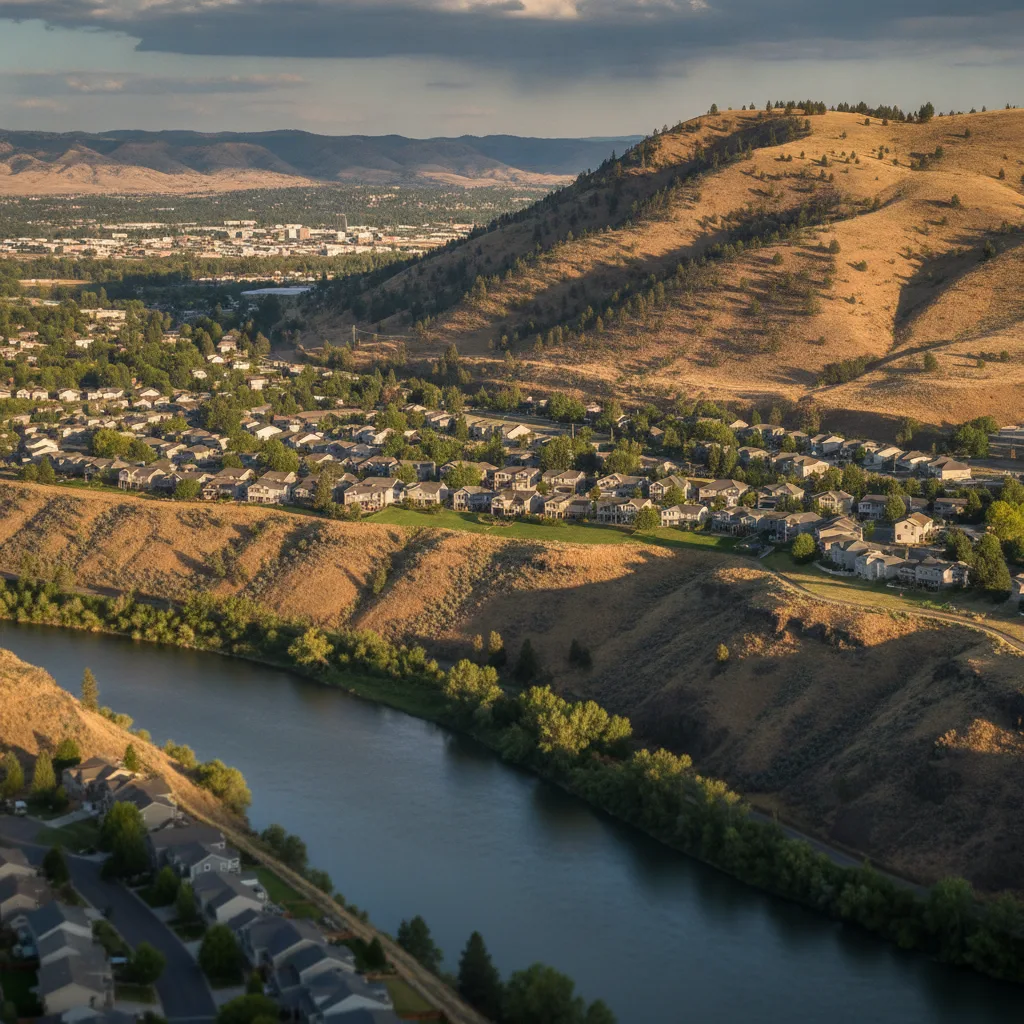
East Wenatchee sits on a bench of basalt and old flood deposits above the Columbia. Wells down near the river can be fairly shallow, but climb the bench toward Badger Mountain and depths of 200 to 500 feet aren't unusual. Deeper wells mean submersible pumps working harder against more lift, and that wear shows up as weak pressure long before the pump dies outright.
A lot of properties here started as orchard ground. When parcels got split up, some kept old irrigation wells that were never really set up for household use. We see undersized pumps, galvanized drop pipe from the 1970s, and pressure tanks tucked in pump houses that freeze every winter. None of that is a crisis, but it helps to have someone look it over before it becomes one.
Hot, dry summers are the other factor. July and August are when wells get pushed hardest, lawns, gardens, and animals all pulling at once. If your pressure sags every summer evening, that's a sizing or drawdown issue worth checking, not just life on a well.
The call we get most is simple: no water. Nine times out of ten it's the pump, the pressure switch, or the tank. We test from the breaker panel down to the pump before we recommend anything, so you're not paying for a new pump when a $40 switch was the problem. If it is the pump, we'll show you the failed part and walk you through what replacement actually costs.
Short cycling is the other big one, the pump kicking on and off every minute or two. That's almost always a pressure tank that's lost its air charge, and it will burn up a good pump if you let it ride. Winter brings frozen pipes and cracked pump house fittings, especially up on the bench where the wind cuts hard.
Sediment and sand in the water show up too, usually in older wells near the end of their pump's life. Sometimes it's a worn pump chewing itself up, sometimes the well itself needs attention. Either way, we'll give you a straight answer about whether replacement makes more sense than another repair.
We're based right here in the Wenatchee Valley, so getting to East Wenatchee means crossing a bridge, not driving in from Spokane or the west side. Most repair calls get a same-day visit, and true no-water emergencies get priority through our 24/7 emergency line. When we quote a job, that's the number you pay.
We're licensed and insured in Washington, and we know Douglas County permitting and well records, which saves time when a job needs paperwork. Estimates are free, and we'll tell you up front if a repair isn't worth doing on an aging pump.
We also cover the surrounding area, so if you've got a rental in Quincy or family on a well up in Chelan, one call handles it. Reach us at (509) 300-5151 or info@wenatcheewellpros.com.
It varies a lot by elevation. Properties closer to the Columbia might have wells under 150 feet, while homes up on the bench toward Badger Mountain often run 200 to 500 feet through basalt. Your well log on file with the state will say exactly, and we can pull it for you before we quote anything.
Sometimes. Old orchard parcels often have wells that were drilled for irrigation, not household use, so pumps and tanks may be mismatched to how you actually live. We see plenty of these conversions and can tell you quickly whether your setup is right or just limping along.
Usually the same day, and emergencies jump the line. We're local to the Wenatchee Valley, so East Wenatchee is minutes away, not hours. Call (509) 300-5151 any time, day or night.
Most submersible pump replacements run between $1,800 and $4,500 depending on well depth and pump size, and deeper bench wells land at the higher end. We give a firm written quote before any work starts, and estimates are free. See our well pump cost guide for a full breakdown.
Free written estimates. Emergency no-water calls answered around the clock.